Tips for dealing with nutritionally sensitive cats


How do I deal with sensitivity to food?
At the beginning, it should be noted that a nutritional sensitivity is something different from a food allergy. An allergy is the activation of the body's own antibodies against components of the environment that are wrongly identified as hazardous substances. Symptoms are usually excruciating itching, rashes and occasionally swelling of the mucous membranes. An allergy takes place via the immune system.
In the case of food intolerance, on the other hand, figuratively speaking, a battle between bacteria takes place in the cat's intestine. Supported by the components of high-quality food, the body's own so-called lactobacilli ensure the formation of vitamins and nutrients, regulate the excretion of nitrogen and strengthen the intestinal walls in such a way that a defence against harmful bacteria takes place in the intestinal flora. If they get the upper hand, they produce toxins and gases, cause digestive problems and damage the cat's general condition and immune system.
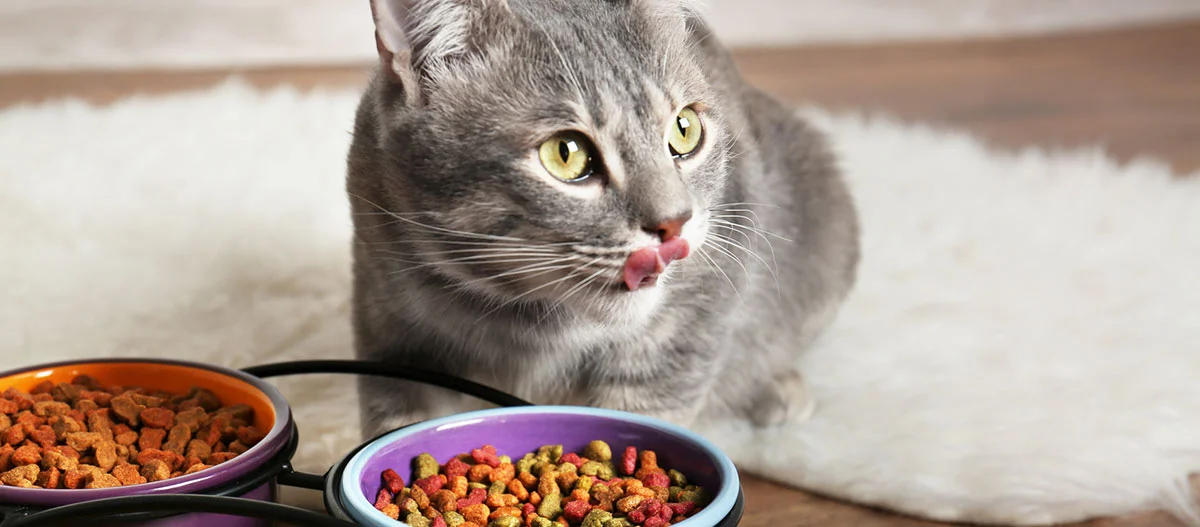
The fact that more and more cats are developing hypersensitivities to food is also a consequence of the industrial production of food of dubious quality. A prolonged supply of low-quality cat food can quickly take its toll: Synthetic vitamins, flavor enhancers, animal by-products, hidden sugar and much more damage the healthy intestinal flora and can lead to hypersensitive reactions of the animal. Cats in particular react extremely sensitively to the quality of food. Therefore, don't save money in the wrong place and always make sure you have high-quality food in your bowl. You should also ensure a certain variety, because even one-sided food affects cat health in the long run.
Africa Studio/stock.adobe.com
What are the symptoms of food sensitivity?
If your cat shows symptoms that are directly related to the supply and excretion of food, the suspicion of hypersensitivity is obvious. Pay special attention to:
- Audible stomach and intestinal sounds
- Flatulence and flatulence
- Diarrhea and incontinence
- Vomit
- Weight loss
- unpleasant (mouth) odor
If these symptoms coincide with a change in food – possibly with a delay of a few days – and disappear completely or partially when returning to the usual food, the trigger is most likely an intolerance. Compare the content declarations and manufacturer information. In some cats, intolerance to common food elements is more difficult to solve. Specialist retailers have adapted to the problem of food sensitivity: as a counterpart to allergen-free allergy foods, there are sensitive foods from various manufacturers. In addition to meat, these preparations contain easily digestible, high-quality proteins, fructo-oligosaccharides and dried sugar beet pulp, but no additives, flavour enhancers or cereal components.

The right diet for your pet is the basis for a long, healthy and happy animal life. Our veterinarians at Dr. Fressnapf will support you in finding the right individual diet for your pet.
What is grain intolerance all about?
Cats are not grain eaters. Cereals are not part of their natural food spectrum. Nevertheless, processed grains are usually easily digestible for cats and can be found as an additive in many ready-to-eat foods. Cereals are suppliers of valuable carbohydrates. Common varieties in cat food are wheat, rye, oats, barley or corn. But some cats are like humans: the animals are sensitive to gluten. Indications of a grain intolerance include diarrhea, shaggy fur and a conspicuous, cramped posture. Be sure to have the vet clarify whether a serious illness can be ruled out with these symptoms. If it is "only" a food intolerance to cereals, switch to appropriate types of food - the specialist trade offers a wide range of grain-free varieties. There are also food preparations to which non-allergenic, gluten-free cereals such as rice or amaranth are added. You can also ensure the supply of valuable carbohydrates by regularly bringing alternatives such as potatoes or vegetables as a side dish to the animal's bowl.

Note: Feeding a veterinary diet food may only be done after consultation with a veterinarian. The team at Dr. Fressnapf will be happy to help you.
Can my cat get digestive problems due to stress and travel?
A sudden hypersensitivity to food with accompanying digestive problems can actually also have psychosomatic causes in a cat. Cats as creatures of habit react very sensitively to disturbances of familiar routines: A change of food or stress due to restlessness or strangers in the "cat territory" can trigger symptoms that are very similar to nutritional sensitivity.
Holidays are particularly stressful: Staying in a pet boarding house during a person's holiday trip does not appeal to many cats. The unfamiliar environment, unknown conspecifics and the unfamiliar daily routine can literally give the house tiger a stomachache. If possible, you should therefore organize a cat sitter for the duration of the trip to take care of the animal at home. If it is unavoidable to take the velvet paw with you on another trip - whether it is a trip to a holiday destination or a move to a new home - it helps the cat's stomach to receive sensitive food before departure and on the way. If the cat is used to its travel box and car journeys, i.e. this stress factor has already been minimised, foreign smells, climate changes and the hustle and bustle can still stress the animal to such an extent that stomach problems set in.