
Feeling limited by your mobility shouldn’t mean feeling limited in your freedom to drive. Getting behind the wheel can be more than just transportation; it's about independence, control, and connecting with the world on your own terms. If you're facing challenges due to a disability, remember that accessible driving solutions exist to bridge the gap and empower you to rediscover the open road.
This guide aims to navigate the landscape of adaptive driving, providing you with insights and practical advice on how to find the right vehicle modifications, explore available resources, and regain the joy of driving safely and comfortably. We'll explore a variety of options, from simple assistive devices to comprehensive vehicle conversions, ensuring you have the information you need to make informed decisions and reclaim your driving autonomy.
Consider this: a steering wheel spinner can significantly improve maneuverability for drivers with limited upper body strength. It's a simple, yet powerful tool that allows for one-handed steering, making turns and parking easier. Explore options from reputable adaptive equipment suppliers to find a spinner that best suits your hand size and grip style. Don't underestimate the impact of such a small change on your driving experience.
Understanding Your Adaptive Driving Needs
Before diving into specific modifications, it’s crucial to understand your individual needs and limitations. This involves assessing your current driving abilities, considering any physical limitations that might affect your ability to operate a vehicle safely, and identifying the areas where assistance is needed. Talk to your doctor or an occupational therapist specializing in driving rehabilitation. They can conduct a comprehensive evaluation to determine the best adaptive driving solutions for you. This assessment will not only pinpoint specific needs but also help you understand the type of modifications and training required to drive safely and confidently.
Remember, adaptive driving is not a one-size-fits-all solution. It's about tailoring the vehicle and driving techniques to your unique abilities and requirements. The more specific you are about your needs, the better equipped you will be to find the right solutions.
What’s the first step in getting adaptive driving equipment?
The very first step should be a professional driving evaluation performed by a certified driver rehabilitation specialist (CDRS). They can assess your physical, cognitive, and perceptual skills and recommend the appropriate adaptive equipment. Don't start buying equipment before you know what you truly need!
Exploring Accessible Vehicle Modifications
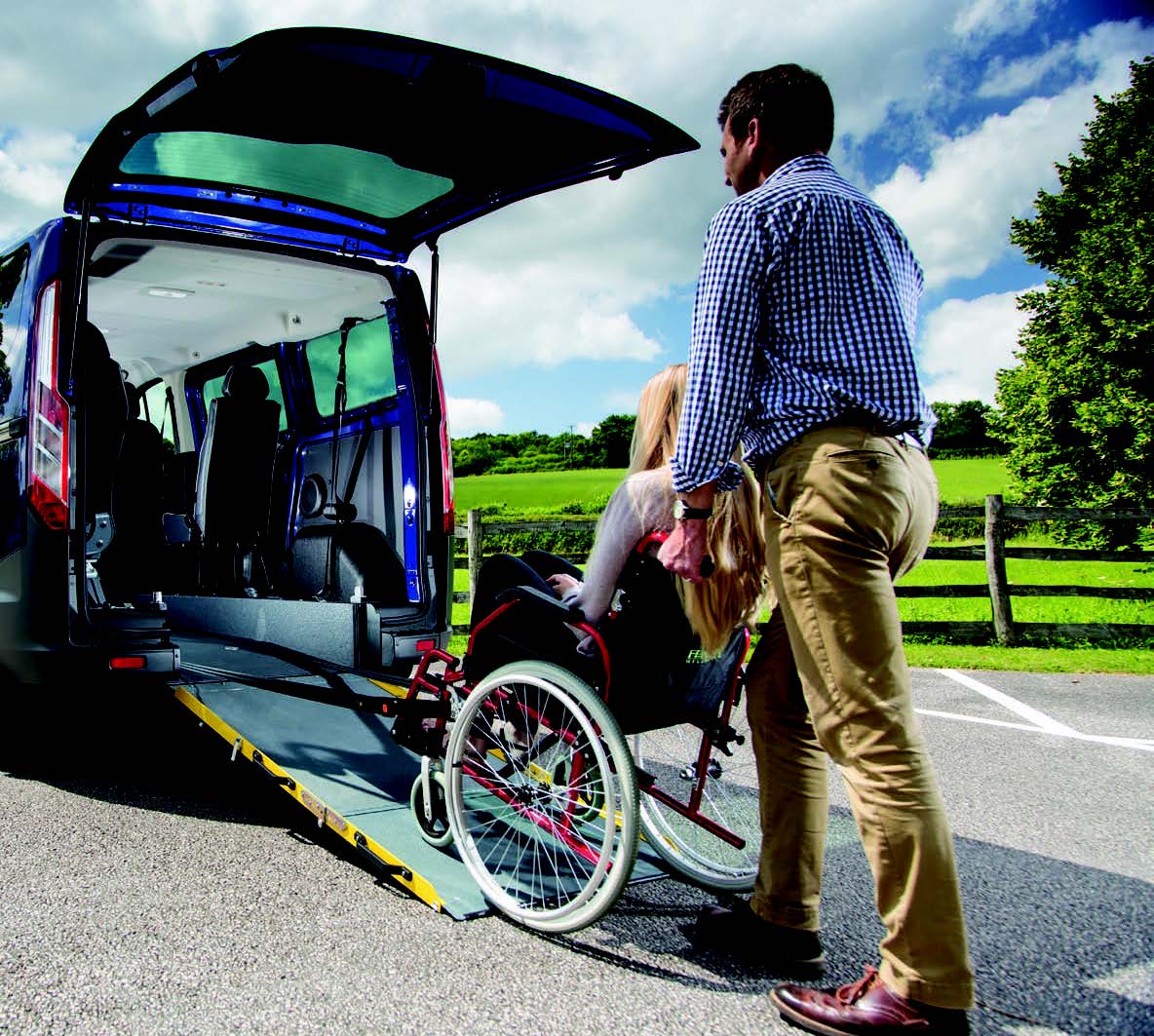
The world of accessible vehicle modifications is vast and diverse, offering a wide range of solutions to address different mobility needs. These modifications can be broadly categorized into several key areas: Steering Modifications: These include steering wheel spinners, reduced effort steering, and electronic steering systems, all designed to make steering easier and more precise for drivers with limited upper body strength or range of motion. Braking and Acceleration Modifications: Options range from hand controls for braking and acceleration to pedal extensions and electronic gas pedals, allowing drivers with limited lower limb function to operate these essential controls safely and effectively. Seating Modifications: These include adjustable seats, swivel seats, and transfer seats, designed to facilitate easier entry and exit from the vehicle, as well as provide optimal comfort and support during driving. Wheelchair Access Modifications: This category includes wheelchair lifts, ramps, and lowered floors, enabling wheelchair users to enter and exit the vehicle independently and securely. Wheelchair-accessible vans are a popular choice for many. Other Assistive Devices:This encompasses a wide array of devices, such as electronic shifters, extended mirrors, and specialized turn signal extensions, which can further enhance driving safety and comfort.
When considering accessible vehicle modifications, it's essential to work with a qualified and experienced adaptive equipment installer. They can ensure that the modifications are properly installed and meet all safety standards. They can also guide you through the selection process, helping you choose the right modifications based on your individual needs and budget.
What are the best hand controls for driving?
There’s no single "best" hand control system, as the ideal choice depends on individual needs and preferences. However, popular and well-regarded types include push/rock, push/pull, and right-angle hand controls. A CDRS can help determine which type best suits your physical capabilities and driving style. Consider trying out different systems before making a final decision.
Finding Wheelchair-Accessible Vans and Vehicles
For wheelchair users, finding the right vehicle is paramount for independent mobility. Wheelchair-accessible vans are specifically designed to accommodate wheelchairs, offering features such as lowered floors, ramps or lifts, and secure wheelchair tie-down systems. When searching for a wheelchair-accessible van, consider the following factors: Accessibility: Ensure the van provides adequate headroom and maneuvering space for your wheelchair. Consider the ramp angle and ease of use. Safety: Verify that the van meets all safety standards and includes secure wheelchair tie-down systems to prevent movement during transit. Comfort: Look for features such as comfortable seating, climate control, and adequate legroom for both the driver and passengers. Reliability: Choose a reputable manufacturer and dealer with a proven track record of providing reliable and durable wheelchair-accessible vans.
In addition to vans, some SUVs and other vehicles can be modified to accommodate wheelchairs. Explore all available options and consult with an adaptive equipment specialist to determine the best fit for your needs. Remember to factor in the cost of the vehicle and any necessary modifications when making your decision.
Navigating Funding and Financial Assistance
The cost of adaptive driving equipment and vehicle modifications can be significant. Fortunately, various funding and financial assistance programs are available to help individuals with disabilities cover these expenses. Some potential sources of funding include: Vocational Rehabilitation Programs: These state-funded programs provide assistance to individuals with disabilities seeking employment, including funding for adaptive driving equipment and training. Veterans Affairs (VA) Benefits: Veterans with service-connected disabilities may be eligible for financial assistance for adaptive driving equipment and vehicle modifications through the VA. Nonprofit Organizations: Many nonprofit organizations offer grants and financial assistance to individuals with disabilities for adaptive driving equipment and vehicle modifications. Examples include the National Mobility Equipment Dealers Association (NMEDA) and the Mobility Resource. State Assistive Technology Programs: These programs provide low-interest loans and other financial assistance for assistive technology, including adaptive driving equipment.
Research all available funding options and apply for any programs for which you may be eligible. Don't be afraid to reach out to disability advocacy organizations and support groups for guidance and assistance in navigating the funding process.
How can I get financial help to pay for adaptive equipment?
Start by contacting your state's vocational rehabilitation agency. They often have programs specifically designed to assist individuals with disabilities with employment-related needs, including adaptive driving equipment. Also, explore grants from non-profit organizations and assistance programs offered by vehicle manufacturers.
Adaptive Driving Lessons and Training
Even with the right adaptive equipment, it's essential to receive proper training to operate a vehicle safely and confidently. Adaptive driving lessons and training programs are specifically designed to teach individuals with disabilities how to use adaptive equipment and develop safe driving techniques. These programs are typically taught by certified driver rehabilitation specialists (CDRS), who are trained to assess individual needs and provide personalized instruction. During adaptive driving lessons, you will learn how to:
Use adaptive equipment effectively and safely.
Develop compensatory driving techniques to overcome any physical limitations.
Navigate various driving scenarios with confidence and skill.
Understand and comply with all traffic laws and regulations.
Before starting adaptive driving lessons, it's crucial to undergo a comprehensive driving evaluation by a CDRS. This evaluation will help determine your specific training needs and ensure that the lessons are tailored to your individual abilities and requirements.
Disability Driving Tips for Increased Safety
Beyond adaptive equipment and specialized training, several general driving tips can enhance safety for drivers with disabilities: Plan Your Route: Before embarking on a trip, carefully plan your route, taking into account factors such as traffic congestion, road conditions, and available rest stops. Allow Extra Time: Give yourself ample time to reach your destination, avoiding the need to rush or feel pressured. Stay Alert and Focused: Minimize distractions while driving, such as cell phones, loud music, and excessive conversation. Take Frequent Breaks: If you're driving long distances, take frequent breaks to rest and stretch your legs. Be Aware of Your Limitations: Understand your physical limitations and avoid driving when you're feeling fatigued or unwell. Communicate Clearly: Use your turn signals and brake lights effectively to communicate your intentions to other drivers. Maintain Your Vehicle:Regularly inspect and maintain your vehicle, ensuring that all adaptive equipment is functioning properly.
By following these driving tips and staying mindful of your abilities, you can enhance your safety and confidence behind the wheel.
Where can I find a qualified driving rehabilitation specialist?
The Association for Driver Rehabilitation Specialists (ADED) website has a directory of CDRSs searchable by location. You can find certified professionals in your area who can conduct driving evaluations and provide adaptive driving training.
It’s not about the limitations you face; it’s about the solutions you embrace. Accessible driving solutions are within your reach, and with the right support and resources, you can unlock a world of independence and freedom. Take the time to explore your options, connect with qualified professionals, and advocate for your needs. The road to driving independence may have a few extra turns, but it's a journey worth taking. Remember, the ability to drive can empower you to live a fuller, more connected life.