
Navigating the world can feel like an obstacle course when mobility is a challenge. Simple things most people take for granted, like hopping in the car and running errands, can become a source of stress and frustration. But it doesn't have to be that way. The key to regaining your driving independence lies in understanding your needs and ensuring your vehicle is properly equipped and maintained for optimal accessibility and safety.
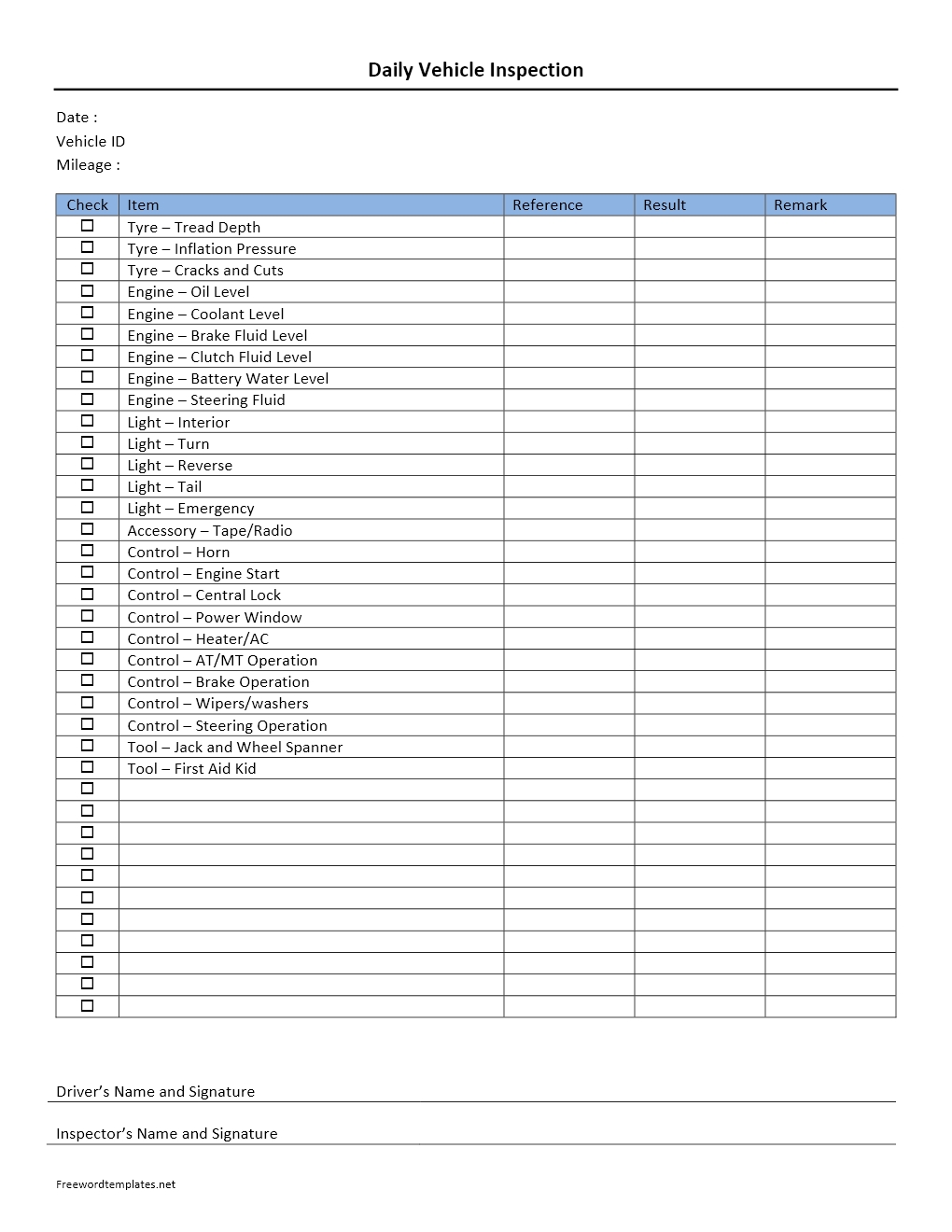
This comprehensive accessible vehicle inspection checklist is designed to empower you to proactively assess your current setup, identify potential issues, and take the necessary steps to create a driving experience that's both comfortable and secure. A well-maintained and properly adapted vehicle not only enhances your safety on the road but also significantly reduces the mental load associated with driving, allowing you to focus on enjoying the journey.
Before you dive into the checklist, consider this: even small adjustments can make a big difference. Something as simple as adjusting your mirrors for better visibility or ensuring your hand controls are properly calibrated can drastically improve your confidence and control behind the wheel.
Accessible Vehicle Inspection Checklist
This checklist covers key areas to inspect in your adapted vehicle. Regularly performing these checks can help prevent breakdowns, improve safety, and extend the life of your mobility equipment. Remember, if you're unsure about any of these checks, consult with a qualified adaptive equipment dealer or mechanic.
I. Entry and Exit Systems
Ramps/Lifts:
Inspect for smooth operation: Does the ramp or lift deploy and retract smoothly without any unusual noises or jerky movements?
Check for wear and tear: Look for cracks, bends, or corrosion on the ramp surface and lifting mechanism. Pay close attention to welds and joints.
Test safety features: Ensure all safety interlocks and emergency stop mechanisms are functioning correctly. These are crucial for preventing accidents.
Lubricate moving parts: Regularly lubricate hinges, rollers, and other moving parts according to the manufacturer's recommendations.
Verify securement systems: Inspect wheelchair tie-downs and occupant restraint systems for proper function and secure attachment. Replace worn or damaged straps immediately. Power Doors:
Smooth opening and closing: Do the doors open and close fully and smoothly? Any hesitation or grinding noises should be investigated.
Obstruction sensors: Test the obstruction sensors to ensure they stop the door if an object is in the way.
Sealing and weatherstripping: Check the door seals and weatherstripping for damage. Damaged seals can let in water and drafts. Running Boards/Assist Steps:
Secure attachment: Ensure the running boards or assist steps are securely attached to the vehicle frame.
Non-slip surface: Check the surface for wear and tear and ensure it provides adequate traction, especially in wet or icy conditions.
II. Driving Controls
Hand Controls:
Smooth operation: Test the acceleration and braking functions to ensure they are smooth and responsive.
Proper adjustment: Verify the hand controls are properly adjusted to your reach and comfort. Improper adjustment can lead to fatigue and reduced control.
Secure mounting: Check that the hand controls are securely mounted and there is no play or wobble in the mechanism.
Cable condition: Inspect the cables for fraying or damage. Replace any damaged cables immediately. Steering Modifications (Spinner Knobs, Reduced Effort Steering):
Secure attachment: Ensure the spinner knob or other steering modification is securely attached to the steering wheel.
Smooth rotation: Verify the spinner knob rotates smoothly and effortlessly.
Proper assistance level: If you have reduced effort steering, confirm it provides the appropriate level of assistance for your needs. Pedal Extensions:
Secure attachment: Ensure the pedal extensions are securely attached and do not interfere with other pedals.
Proper adjustment: Verify the pedal extensions are properly adjusted to your leg length.
Non-slip surface: Check the pedal surface for wear and ensure it provides adequate traction.
III. Seating and Positioning
Transfer Seats:
Smooth operation: Test the transfer seat to ensure it rotates and moves smoothly without any obstructions.
Secure locking mechanism: Verify the seat locks securely in both the driving and transfer positions.
Proper alignment: Check the seat alignment to ensure it is properly positioned for driving and transferring. Wheelchair Securement Systems:
Proper functioning: Inspect all components of the wheelchair securement system, including straps, buckles, and tie-downs.
Secure attachment points: Check the attachment points on the floor and wheelchair for damage or corrosion.
Correct tension: Ensure the straps are properly tensioned to securely hold the wheelchair in place. Adaptive Seating:
Proper support: Ensure the adaptive seating system provides adequate support and comfort.
Adjustment mechanisms: Verify all adjustment mechanisms are functioning properly.
Cleanliness: Keep the seating system clean and free of debris.
IV. Visibility and Mirrors
Mirror Placement:
Optimal viewing angles: Adjust all mirrors (rearview and side mirrors) to provide the best possible field of vision. Consider convex mirrors for expanded viewing.
Secure attachment: Ensure all mirrors are securely attached and do not vibrate excessively. Windshield Condition:
Chips and cracks: Inspect the windshield for chips and cracks. Repair any damage as soon as possible to prevent further spreading.
Cleanliness: Keep the windshield clean and free of streaks. Use a good quality windshield cleaner. Headlights and Taillights:
Proper function: Verify all headlights, taillights, brake lights, and turn signals are working properly.
Lens clarity: Clean the lenses to ensure maximum brightness.
V. General Vehicle Maintenance
Tire Condition:
Tire pressure: Check tire pressure regularly and inflate to the recommended pressure.
Tread depth: Inspect tire tread depth to ensure it meets minimum legal requirements.
Uneven wear: Look for signs of uneven wear, which could indicate alignment issues. Fluid Levels:
Oil, coolant, brake fluid, power steering fluid, and windshield washer fluid: Check all fluid levels regularly and top off as needed. Battery Condition:
Clean terminals: Clean the battery terminals to prevent corrosion.
Proper voltage: Have the battery tested periodically to ensure it is holding a charge. Brakes:
Brake pad thickness: Inspect brake pad thickness to ensure they are not worn too thin.
Brake fluid leaks: Check for any brake fluid leaks.
Brake performance: Listen for unusual noises when braking and ensure the brakes are responsive. Regular Servicing:
Follow manufacturer's recommendations: Adhere to the manufacturer's recommended maintenance schedule for oil changes, filter replacements, and other services.
What’s the best vehicle for wheelchair users?
The "best" vehicle for wheelchair users varies significantly depending on individual needs, preferences, and budget. Wheelchair-accessible vans (WAVs) are a popular choice, offering ample space and features like ramps or lifts. However, SUVs and even some sedans can be modified with adaptive equipment to accommodate wheelchair users. Consider factors like the type of wheelchair you use, the number of passengers you typically travel with, and your desired level of independence when choosing a vehicle. Consulting with an adaptive driving specialist is crucial to determine the most suitable option.
How do I apply for adaptive driving lessons?
Adaptive driving lessons are essential for individuals who require specialized training to operate a vehicle safely and effectively. To find adaptive driving programs, start by searching online for certified driving rehabilitation specialists (CDRS) in your area. You can also contact organizations like the Association for Driver Rehabilitation Specialists (ADED) for referrals. The application process typically involves an initial assessment to evaluate your driving skills and identify any necessary adaptations.
What are common mobility car adaptations?
Mobility car adaptations encompass a wide range of modifications designed to make driving more accessible and comfortable. Common adaptations include hand controls, left-foot accelerators, steering wheel modifications (spinner knobs), pedal extensions, transfer seats, wheelchair lifts or ramps, and adapted mirrors. The specific adaptations needed will depend on your individual disability and driving requirements. Working with a qualified adaptive equipment dealer is crucial to determine the most appropriate and effective modifications for your vehicle.
Taking the time to thoroughly inspect your accessible vehicle and address any issues promptly can significantly enhance your safety, comfort, and independence on the road. It's an investment in your well-being and a step towards reclaiming your freedom. Remember, you're not alone on this journey. There are countless resources and professionals available to support you every step of the way, from selecting the right adaptive equipment to providing expert maintenance and repairs. Approach this checklist with confidence, knowing that you're actively taking control of your driving experience and paving the way for a more accessible and fulfilling life.