
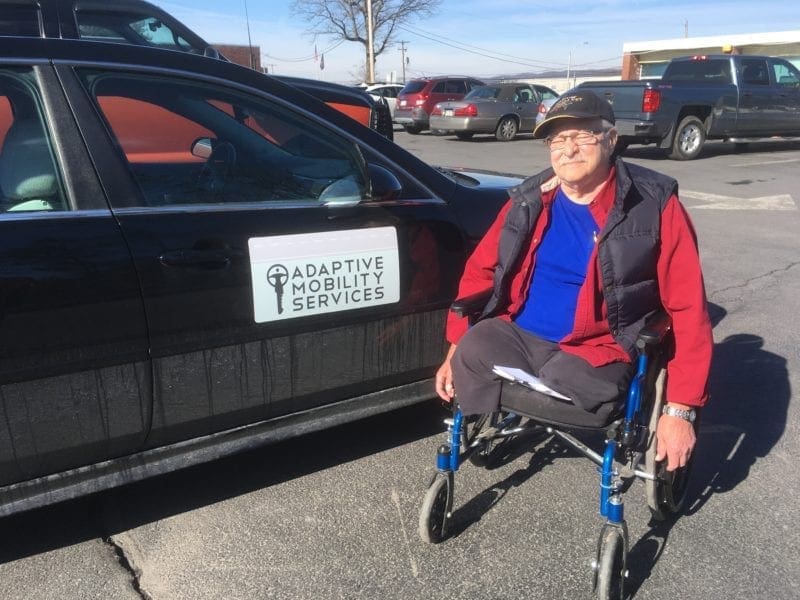
The open road represents freedom, independence, and the ability to connect with the world around you. But for many drivers with disabilities, that freedom can feel limited by the challenges of operating a standard vehicle. If you're finding that driving isn't as comfortable or accessible as you'd like, know that you're not alone, and more importantly, there are solutions.
This guide explores the incredible range of adaptive driving equipment available today. These aren't just add-ons; they are thoughtfully designed tools that can bridge the gap between your driving aspirations and your current capabilities, opening up a world of possibilities and ensuring safer, more enjoyable journeys. From simple modifications to comprehensive vehicle conversions, we'll look at how these innovations are empowering drivers with disabilities to regain control and confidently navigate the road ahead.
A simple yet incredibly effective adaptation? Consider a spinner knob for your steering wheel. If you have limited hand or arm strength, a spinner knob allows you to steer with one hand, making turns and maneuvers much easier and safer. Talk to a certified driving rehabilitation specialist (CDRS) about the best placement and style for your needs.
Understanding Adaptive Driving Equipment
Adaptive driving equipment encompasses a wide array of modifications designed to assist individuals with physical disabilities in operating a motor vehicle safely and comfortably. These solutions address various needs, from limited mobility and strength to impaired vision and coordination. It's a diverse field, constantly evolving with technological advancements to provide more inclusive transportation options. The goal is to make driving not just possible, but also a positive and empowering experience.
The beauty of adaptive driving solutions lies in their customizability. No two individuals have the exact same needs, so the equipment can be tailored to address specific challenges and preferences. This personalized approach is key to maximizing safety, comfort, and driving independence. From straightforward adaptations to more complex conversions, there’s a solution designed to fit your life.
How do I find a qualified adaptive driving equipment installer?
Finding a qualified installer is crucial for the safety and effectiveness of any adaptive driving equipment. Look for certified mobility equipment dealers (CMEDs) or technicians certified by organizations like the National Mobility Equipment Dealers Association (NMEDA). These professionals have the knowledge and experience to properly install and maintain adaptive driving equipment. They can also guide you through the selection process and ensure the equipment meets your individual needs.
Common Types of Adaptive Driving Equipment
The range of accessible vehicle modifications available can feel overwhelming, so let's break down some of the most common and impactful categories: Hand Controls:These replace the standard foot pedals with hand-operated levers or push/pull mechanisms for acceleration and braking. They are ideal for individuals with limited or no use of their legs.
Steering Modifications: From spinner knobs and reduced-effort steering to joystick controls, these adaptations make steering easier and more precise for those with limited upper body strength or range of motion.
Pedal Extensions: These bring the pedals closer to the driver, allowing individuals with shorter limbs to reach them comfortably and safely.
Left-Foot Accelerators: Allow drivers who cannot use their right leg to accelerate safely and comfortably.
Seat Modifications: Adjustable seats, swivel seats, and transfer seats can make getting in and out of a vehicle easier and more comfortable.
Wheelchair Lifts and Ramps: These allow individuals using wheelchairs to enter and exit vehicles with ease. Wheelchair-accessible vans are a popular choice, offering ample space and convenient access.
Electronic Driving Aids: These include features like voice-activated controls, touch screen systems, and remote keypads that simplify various driving tasks.
Adaptive Mirrors: Wider and strategically angled mirrors that eliminate blind spots for drivers with limited neck mobility.
Each of these categories contains a variety of specific products and configurations. The best solution for you will depend on your individual needs, the type of vehicle you drive, and the recommendations of a qualified professional.
What are the key factors in choosing hand controls?
When choosing hand controls, consider factors like your grip strength, range of motion, and the type of driving you do most often. Push/pull controls are a common choice, but other options include push/rock and push/twist controls. It's essential to work with a CDRS and a qualified installer to determine which type of hand control is best suited to your abilities and driving style. Also, be sure to practice with different types to find what feels most comfortable and natural.
Financing and Resources for Adaptive Driving Equipment
The cost of adaptive driving equipment can be a significant barrier for many individuals. Fortunately, there are several resources available to help offset these expenses. Understanding these options can make accessible vehicle modifications a reality.
Government Programs: Explore grants and funding opportunities through state and federal programs designed to support individuals with disabilities. The Department of Veterans Affairs (VA) also offers financial assistance for eligible veterans.
Non-Profit Organizations: Many non-profit organizations provide grants, loans, and other forms of financial assistance for adaptive driving equipment. Research organizations like the Mobility Resource, which provide helpful information and connect individuals with resources.
Insurance Coverage: In some cases, your auto insurance or health insurance may cover certain adaptive driving equipment, particularly if it is deemed medically necessary.
Vocational Rehabilitation Services: State vocational rehabilitation agencies can provide funding or assistance for adaptive driving equipment to help individuals return to work.
Financing Options: Consider financing options through banks, credit unions, or specialized lenders that offer loans for adaptive equipment.
Remember to thoroughly research all available options and gather the necessary documentation to support your applications. Don't be afraid to ask for help from disability organizations or advocacy groups – they can provide valuable guidance and support throughout the funding process.
How do I apply for adaptive driving lessons?
Adaptive driving lessons are a crucial step in learning to use adaptive equipment safely and effectively. To find adaptive driving programs, search online for "adaptive driving rehabilitation specialists" or "certified driving rehabilitation specialists" in your area. You can also contact your local hospital or rehabilitation center for referrals. Many CDRSs offer comprehensive evaluations and behind-the-wheel training using specialized vehicles equipped with adaptive equipment. Be prepared to provide medical documentation and undergo an assessment to determine your specific needs.
The Importance of Professional Assessment and Training
While it may be tempting to research and purchase adaptive driving equipment independently, it’s critical to involve qualified professionals throughout the process. A certified driving rehabilitation specialist (CDRS) plays a vital role in evaluating your driving skills, identifying your specific needs, and recommending the most appropriate equipment.
A CDRS can conduct a comprehensive assessment to evaluate your vision, perception, reaction time, strength, and range of motion. They will also assess your ability to operate a vehicle safely with different types of adaptive equipment. Based on this assessment, they can develop a personalized training plan to help you learn to use the equipment effectively and safely. Adaptive driving lessons with a CDRS are essential for building confidence and mastering the skills needed to drive independently. Their expertise ensures you’re not just getting the right equipment, but also the proper training to use it safely and confidently.
Beyond the initial assessment and training, a CDRS can provide ongoing support and guidance as your needs change. They can also help you navigate the complex process of obtaining funding and working with equipment installers.
What's the best vehicle for wheelchair users?
The "best" vehicle for wheelchair users depends on individual needs and preferences. However, wheelchair-accessible vans are generally considered the most convenient and versatile option. These vans feature lowered floors, ramps or lifts, and spacious interiors that allow wheelchair users to enter, exit, and maneuver comfortably. Minivans are a popular choice for conversion due to their ample interior space. Consider factors like the size of your wheelchair, the number of passengers you typically transport, and your budget when choosing a wheelchair-accessible vehicle. Test driving different models is essential to find the best fit for your needs.
Staying Safe and Confident on the Road
Adaptive driving equipment is just one piece of the puzzle. Maintaining safety and confidence on the road requires ongoing awareness, practice, and a commitment to responsible driving habits.
Regular Equipment Maintenance: Keep your adaptive driving equipment in good working order by following the manufacturer's recommendations for maintenance and service. Schedule regular inspections and repairs to ensure everything is functioning properly.
Defensive Driving Techniques: Practice defensive driving techniques, such as maintaining a safe following distance, scanning the road ahead, and anticipating potential hazards.
Driving in Different Conditions: Gradually expose yourself to different driving conditions, such as rain, snow, or darkness, to build confidence and experience.
Staying Informed: Keep up-to-date on the latest advancements in adaptive driving technology and safety regulations.
Knowing Your Limits: Be aware of your physical and cognitive limitations and avoid driving when you are fatigued, stressed, or distracted.
Remember, driving is a privilege, and safety should always be your top priority. By taking the necessary precautions and staying vigilant, you can enjoy the freedom and independence that driving offers.
The world of adaptive driving equipment is constantly evolving, offering increasingly sophisticated and personalized solutions for drivers with disabilities. With the right equipment, professional guidance, and a commitment to safety, you can confidently take control of the road and experience the freedom of independent mobility. This journey might have its challenges, but the destination – increased independence, connection, and the open road – is more than worth it. Take that first step, explore your options, and reclaim your driving freedom.