
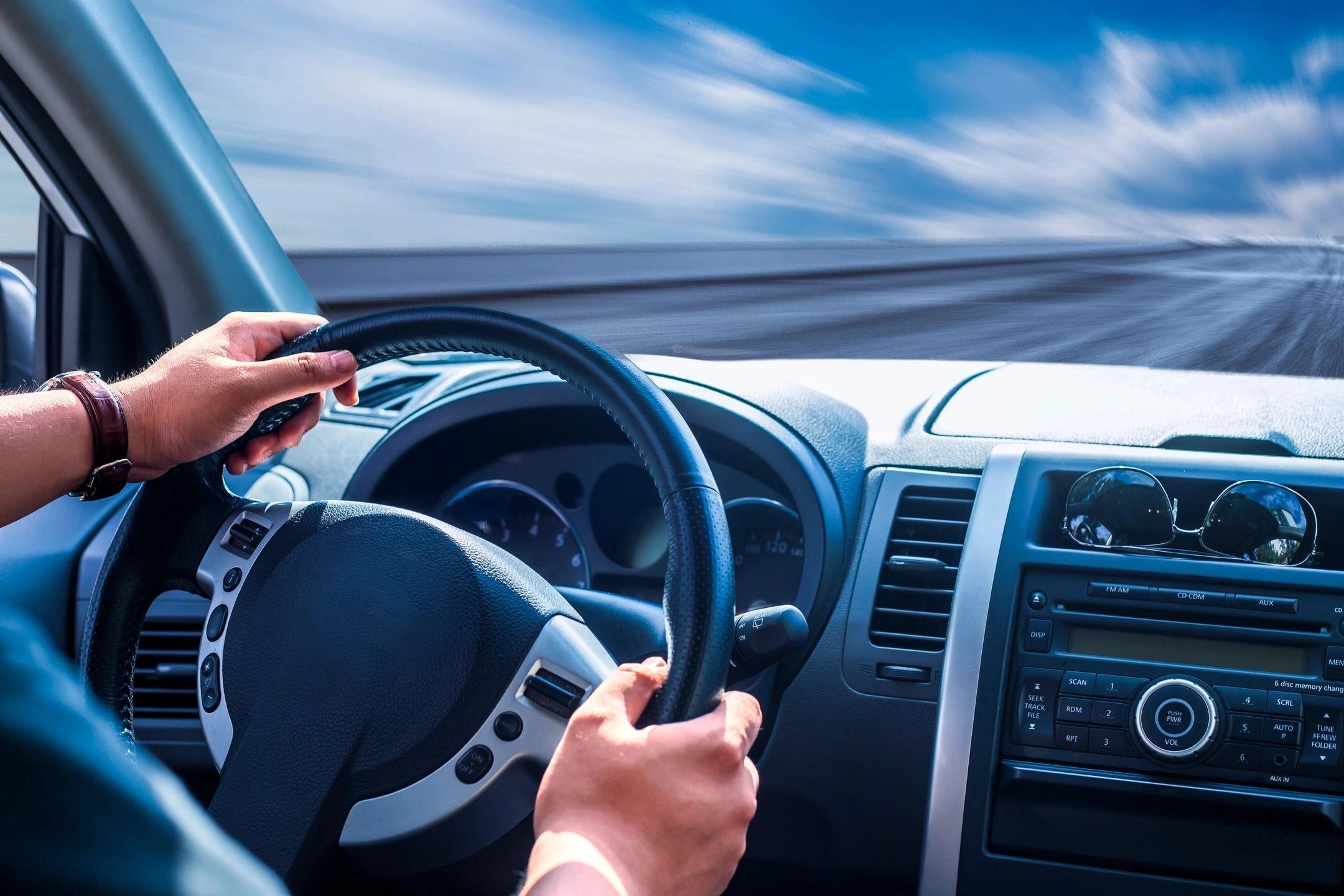
Life changes in an instant. After a stroke, something as fundamental as driving can feel daunting, even impossible. But regaining your driving independence is often achievable with the right approach, resources, and determination. It’s about adapting to your new abilities and finding the right tools to get back on the road safely and confidently.
This guide empowers you to understand the process of driving after a stroke, from medical assessments to vehicle modifications and specialized training. By understanding each step, you can actively participate in regaining your independence and enjoying the freedom of the open road once again. It's about more than just driving; it's about reclaiming a part of your life.
One essential early step: consult with an occupational therapist specializing in driving rehabilitation. They can evaluate your cognitive and physical abilities, providing personalized recommendations and guidance tailored to your specific needs. This assessment forms the foundation of your journey toward safe and independent driving.
Understanding the Impact of Stroke on Driving
A stroke can affect your driving abilities in various ways. Recognizing these potential impacts is crucial for a safe return to driving. These effects often include: Physical Limitations: Weakness or paralysis on one side of the body, impaired coordination, and reduced range of motion can make it difficult to operate the steering wheel, pedals, and other vehicle controls. Cognitive Impairments: Strokes can affect attention, memory, judgment, and reaction time – all essential for safe driving. Spatial awareness and visual perception can also be impacted. Visual Deficits: Vision problems, such as double vision, blurred vision, or visual field loss (hemianopsia), are common after a stroke and significantly impact driving ability. Perceptual Challenges: Difficulty judging distances, speeds, or recognizing hazards can create unsafe driving conditions.
It’s vital to remember that the severity and type of impairment vary greatly from person to person. A comprehensive evaluation is essential to understand your specific challenges and identify appropriate solutions. This evaluation should be conducted by qualified professionals who understand the unique needs of drivers with disabilities and can recommend adaptive driving solutions.
People Also Ask: What type of car is easiest to adapt after a stroke?
The easiest type of car to adapt often depends on the specific needs of the driver and the types of modifications required. However, vehicles with automatic transmissions, power steering, and ample interior space generally offer a more straightforward platform for adaptive equipment. Minivans and SUVs are often popular choices for wheelchair-accessible conversions due to their spaciousness and accessibility. It’s best to consult with an adaptive driving specialist who can assess your individual needs and recommend the most suitable vehicle for your situation.
The Assessment Process: Determining Driving Readiness
Before getting back behind the wheel, you'll need to undergo a thorough assessment to determine your fitness to drive. This typically involves a multi-stage process:
1.Medical Evaluation: Your physician will assess your overall health and neurological status, considering factors like vision, strength, sensation, and cognitive function. They will advise on any medical restrictions or precautions you need to take.
2.Occupational Therapy Driving Evaluation: As mentioned earlier, an occupational therapist specializing in driving rehabilitation will conduct a comprehensive evaluation. This includes: Clinical Assessment:Testing your visual, perceptual, and cognitive skills using standardized assessments.
On-Road Evaluation: Evaluating your driving skills in a controlled environment or on public roads, often using a vehicle equipped with dual controls for safety.
3.Licensing Authority Requirements: Your local Department of Motor Vehicles (DMV) or equivalent licensing authority may have specific requirements for drivers with medical conditions. Be sure to check their regulations and procedures for medical reporting and driving assessments.
The assessment process aims to provide an objective evaluation of your driving abilities and identify any areas that require improvement or adaptation. It's crucial to be open and honest with the evaluators about your challenges and concerns. The goal is to ensure your safety and the safety of other road users.
People Also Ask: How long after a stroke can I drive again?
There isn’t a one-size-fits-all answer. The timeline varies significantly depending on the severity of the stroke and the resulting impairments. Some individuals may be able to return to driving within a few months, while others may require a longer period of rehabilitation and adaptation. The decision ultimately rests on your physician's and occupational therapist's assessment of your driving readiness, combined with any requirements set by your local licensing authority. Following their recommendations and completing any necessary training or adaptations is paramount.
Adaptive Driving Solutions: Modifying Your Vehicle
If the assessment reveals limitations that affect your driving ability, adaptive equipment can help compensate for these challenges and allow you to drive safely and comfortably. Many adaptive driving solutions are available, including: Hand Controls: These allow you to operate the accelerator and brake using your hands instead of your feet. Several types of hand controls are available, depending on your specific needs and hand function. Steering Wheel Modifications: Spinner knobs, tri-pin grips, and reduced-effort steering systems can make steering easier and more manageable, especially for individuals with limited upper body strength or range of motion. Pedal Extensions: These bring the pedals closer to the driver, allowing those with limited leg length or mobility to reach them comfortably. Left Foot Accelerator: This allows you to operate the accelerator with your left foot if you have limited function in your right leg. Wheelchair Lifts and Ramps: For wheelchair users, lifts and ramps provide access to the vehicle and allow them to drive from their wheelchair. Electronic Driving Controls: These advanced systems integrate various vehicle functions into a single control unit, allowing drivers with significant physical limitations to operate the vehicle with minimal effort.
Working with a qualified adaptive equipment installer is essential to ensure that the modifications are properly installed and adjusted to your specific needs. They can also provide training on how to use the equipment safely and effectively. Look for certified mobility equipment dealers and installers who have experience working with drivers with disabilities.
People Also Ask: Are there financial resources available to help with the cost of adaptive equipment?
Yes, several financial resources may be available to help offset the cost of adaptive equipment. These resources can include: Vocational Rehabilitation Programs: State vocational rehabilitation agencies often provide funding or assistance for adaptive equipment and driver training to help individuals with disabilities return to work. Grants and Charitable Organizations: Several organizations offer grants or financial assistance to individuals with disabilities to purchase adaptive equipment or accessible vehicles. Examples include the National Mobility Equipment Dealers Association (NMEDA) Foundation and various disease-specific organizations. Veterans Affairs (VA) Benefits: Veterans with service-connected disabilities may be eligible for VA benefits to cover the cost of adaptive equipment and vehicle modifications. State and Local Programs: Some states and local communities offer programs or tax incentives to support individuals with disabilities in obtaining adaptive equipment. Payment Plans and Financing:Some mobility equipment dealers offer payment plans or financing options to help make adaptive equipment more affordable.
It's essential to research and explore all available options to determine which resources you may be eligible for. A qualified adaptive driving specialist or mobility equipment dealer can often provide guidance on finding and applying for these resources.
Driver Rehabilitation Programs: Enhancing Your Skills
Even with adaptive equipment, it's often beneficial to participate in a driver rehabilitation program. These programs provide specialized training to help you regain your driving skills and confidence after a stroke. Driver rehabilitation programs typically include: Classroom Instruction: Covering topics such as traffic laws, defensive driving techniques, and the safe use of adaptive equipment. Behind-the-Wheel Training: Providing supervised driving practice with a qualified driving instructor experienced in working with drivers with disabilities. Adaptive Equipment Training: Teaching you how to use your specific adaptive equipment safely and effectively. Cognitive Retraining: Addressing any cognitive impairments that may affect your driving ability.
These programs help you develop the skills and strategies needed to drive safely and confidently. They also provide valuable feedback and support throughout the rehabilitation process. Look for driver rehabilitation programs certified by the Association for Driver Rehabilitation Specialists (ADED).
Maintaining Independence: Ongoing Strategies
Regaining your driving independence is a significant achievement, but it's essential to maintain safe driving habits and adapt to any changes in your abilities over time. Consider these ongoing strategies: Regular Medical Checkups: Continue to see your physician regularly for checkups and to monitor your overall health and neurological status. Periodic Driving Evaluations: Schedule periodic driving evaluations with an occupational therapist to assess your driving skills and identify any areas that may need improvement. Adaptive Equipment Maintenance: Keep your adaptive equipment properly maintained and serviced to ensure it functions correctly and safely. Stay Informed: Stay up-to-date on traffic laws, safe driving practices, and new adaptive technologies. Be Aware of Your Limitations: Recognize your limitations and avoid driving in situations that may be too challenging, such as during rush hour or in inclement weather. Consider Alternative Transportation: When driving is not possible or safe, explore alternative transportation options, such as public transportation, ride-sharing services, or paratransit.
Remember, driving is a privilege, not a right. By prioritizing safety and staying proactive about your driving abilities, you can continue to enjoy the freedom and independence that comes with being able to drive. Inclusive transportation is within your reach.
Regaining your driving independence after a stroke is a journey that requires patience, determination, and the support of qualified professionals. It's a process of adaptation, learning, and empowerment. By understanding the challenges, exploring available solutions, and seeking expert guidance, you can navigate this journey with confidence and regain a vital aspect of your life. Take that first step – connect with an occupational therapist, explore adaptive driving solutions, and rediscover the open road. You’ve got this.