
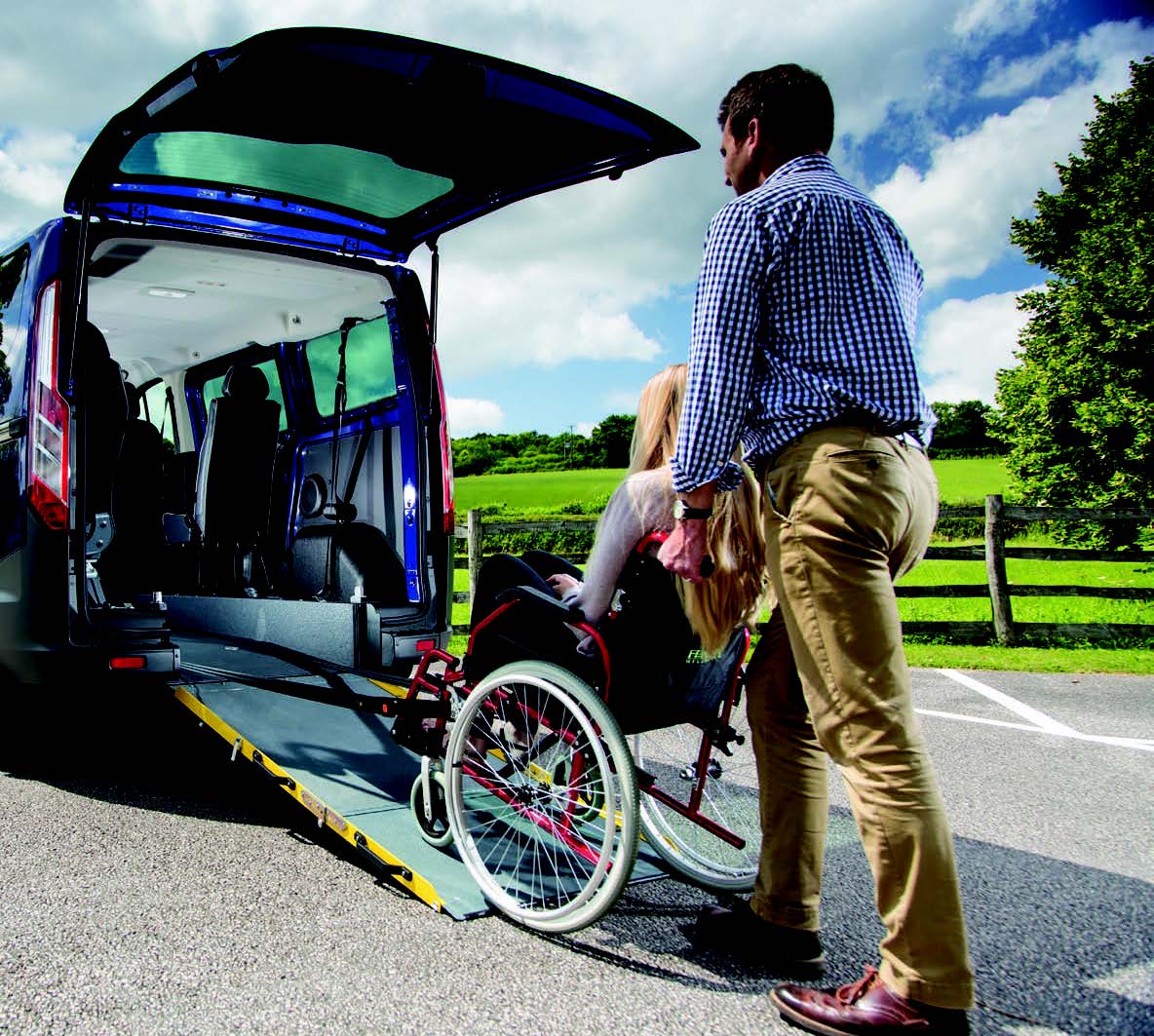
Finding the right vehicle when you use a wheelchair can feel overwhelming. It's about more than just getting from point A to point B; it's about reclaiming your independence, feeling comfortable and secure on the road, and living life on your own terms. The right vehicle opens doors – literally and figuratively – to work, social activities, and everything in between.
This guide is designed to empower you with the knowledge and resources to choose a vehicle that fits your unique needs and lifestyle. We’ll explore the critical factors to consider, from vehicle types and modifications to funding options and adaptive driving lessons. With the right information, you can navigate the process with confidence and find the perfect vehicle to enhance your mobility and driving experience.
Here’s a tip to start: Before even looking at specific vehicles, take the time to thoroughly assess your needs. Consider the size of your wheelchair, the type of transfers you're comfortable with, and how often you travel with passengers or cargo. This self-assessment will be invaluable in narrowing down your options and ensuring that your chosen vehicle truly meets your requirements.
Understanding Your Needs and Priorities
Choosing a vehicle for wheelchair accessibility is deeply personal. Before diving into specific models or modifications, it's essential to understand your individual needs and priorities. This involves evaluating your physical capabilities, lifestyle, and long-term goals.
Assess Your Mobility: Consider your upper body strength, transfer abilities (if applicable), and any specific physical limitations. This will help determine the type of entry system (ramp vs. lift), seating arrangements, and adaptive driving controls that will work best for you. Think About Your Lifestyle: What activities do you regularly participate in? Do you need space for family, friends, or pets? Do you frequently transport large items? Your answers will influence the size and configuration of the vehicle you choose. Consider Future Needs: Think about how your needs might change in the coming years. Will your mobility likely decrease? Will you need to accommodate additional passengers or equipment? Planning ahead can help you avoid needing to replace your vehicle prematurely. Budget Considerations: Establishing a budget early on is crucial. Factor in not only the cost of the vehicle itself, but also the cost of modifications, insurance, maintenance, and potential financing. Explore available grants and funding programs to help offset the expenses.
By carefully considering these factors, you can create a clear picture of your ideal vehicle and narrow down your search effectively.
What’s the best vehicle for wheelchair users?
The "best" vehicle for wheelchair users is highly subjective and depends entirely on individual needs. However, popular choices include minivans (modified with ramps or lifts), SUVs (also modified), and occasionally full-size vans for those requiring extensive space and customization. The key is to find a vehicle that accommodates your wheelchair comfortably, provides easy access, and allows for safe and comfortable driving.
Exploring Vehicle Types and Modifications
Once you have a clear understanding of your needs, you can begin exploring the different types of vehicles and modifications available. Wheelchair-accessible vehicles typically fall into two main categories: minivans and SUVs/full-size vans. Each offers unique advantages and disadvantages, depending on your specific requirements.
Minivans: Minivans are a popular choice for wheelchair accessibility due to their spacious interiors, relatively low floor height, and ease of conversion. They typically feature either a side-entry or rear-entry ramp or lift, providing convenient access for wheelchair users. Minivans often offer a good balance of space, fuel efficiency, and maneuverability. SUVs/Full-Size Vans: SUVs and full-size vans can also be modified for wheelchair accessibility, although the conversion process may be more complex and expensive. They generally offer more interior space and headroom than minivans, which can be beneficial for larger wheelchairs or taller individuals. Some SUVs offer off-road capabilities, which may be appealing to those who enjoy outdoor adventures. Essential Modifications: Regardless of the vehicle type, several modifications are essential for wheelchair accessibility. These include: Ramps or Lifts: Providing a safe and convenient way to enter and exit the vehicle.
Wheelchair Tie-Downs: Securely anchoring the wheelchair in place during travel.
Adaptive Driving Controls: Enabling individuals with limited mobility to safely operate the vehicle (e.g., hand controls, steering knobs, pedal extensions).
Power Transfer Seats: Facilitating easy transfer from the wheelchair to the driver's seat.
When researching vehicle types and modifications, be sure to consult with reputable mobility equipment dealers and certified mobility technicians. They can provide expert guidance and ensure that your chosen vehicle is properly modified to meet your specific needs and safety standards.
Adaptive Driving Solutions and Technology
Adaptive driving solutions encompass a range of technologies and techniques that enable individuals with disabilities to drive safely and independently. These solutions can be tailored to address a wide variety of physical limitations, including reduced strength, limited range of motion, and impaired coordination.
Hand Controls: Hand controls allow drivers to operate the accelerator and brake using their hands instead of their feet. Several types of hand controls are available, including push/pull, push/rock, and electronic systems. Steering Aids: Steering aids, such as steering knobs and reduced-effort steering systems, can make it easier for drivers with limited upper body strength or range of motion to control the vehicle. Pedal Extensions: Pedal extensions allow drivers with shorter legs to reach the pedals comfortably and safely. Electronic Driving Systems: Electronic driving systems integrate various adaptive controls into a single, user-friendly interface. These systems can be customized to meet the specific needs of the driver and often include features such as voice control and programmable settings.
In addition to these common adaptive driving solutions, a wide range of other technologies are available, including specialized mirrors, adjustable seating, and remote-control entry systems. Working with a qualified adaptive driving specialist is essential to identify the solutions that are best suited to your individual needs and abilities.
How do I apply for adaptive driving lessons?
To apply for adaptive driving lessons, start by searching online for certified driver rehabilitation specialists (CDRS) in your area. The Association for Driver Rehabilitation Specialists (ADED) is a great resource for finding qualified professionals. Contact a CDRS to schedule an evaluation. They will assess your driving skills, physical limitations, and visual abilities to determine the best adaptive equipment and training program for you. Once you have a personalized plan, you can begin your lessons with a qualified instructor.
Funding Options and Resources
Acquiring a wheelchair-accessible vehicle and the necessary modifications can be a significant financial undertaking. Fortunately, several funding options and resources are available to help offset the costs.
Grants and Financial Assistance Programs: Numerous organizations and government agencies offer grants and financial assistance programs for individuals with disabilities who need accessible vehicles. These programs may provide funding for vehicle purchase, modifications, or both. Some examples include: The Mobility Works Foundation: Offers grants to individuals with mobility impairments to help them purchase adaptive equipment.
The National Mobility Equipment Dealers Association (NMEDA): Provides information on funding resources and assistance programs.
State Vocational Rehabilitation Agencies: Offer financial assistance and job training services to individuals with disabilities. Loans and Financing: Several lenders specialize in providing loans and financing for wheelchair-accessible vehicles and adaptive equipment. These lenders may offer more flexible terms and lower interest rates than traditional lenders. Tax Deductions: In some cases, you may be able to deduct the cost of vehicle modifications and adaptive equipment from your taxes. Consult with a tax professional to determine if you are eligible for any tax deductions. Crowdfunding: Crowdfunding platforms can be a valuable tool for raising funds for a wheelchair-accessible vehicle. Creating a compelling campaign and sharing it with your network can help you reach your fundraising goals.
When exploring funding options, be sure to research thoroughly and compare different programs and lenders to find the best fit for your needs. Don't hesitate to seek assistance from disability advocacy organizations or financial advisors who specialize in working with individuals with disabilities.
The Importance of Professional Consultation and Training
While online research and information gathering are valuable, nothing replaces the expertise of qualified professionals. Consulting with mobility equipment dealers, certified mobility technicians, and adaptive driving specialists is crucial to ensuring that you choose the right vehicle and modifications for your specific needs and abilities.
Mobility Equipment Dealers: Mobility equipment dealers can provide expert guidance on vehicle selection, modification options, and funding resources. They can also help you arrange for vehicle demonstrations and test drives. Certified Mobility Technicians: Certified mobility technicians are trained to install and maintain adaptive equipment safely and effectively. They can ensure that your vehicle modifications are properly installed and meet all safety standards. Adaptive Driving Specialists:Adaptive driving specialists are healthcare professionals who evaluate individuals' driving abilities and recommend appropriate adaptive equipment and training. They can help you learn how to use adaptive driving controls safely and confidently.
In addition to professional consultation, adaptive driving training is essential for individuals who are using adaptive driving controls for the first time. These lessons can help you develop the skills and confidence you need to drive safely and independently.
Maintaining Your Accessible Vehicle
Once you’ve invested in the perfect accessible vehicle, proper maintenance is key to ensuring its longevity and reliability. Regular maintenance not only keeps your vehicle running smoothly but also helps prevent costly repairs down the line.
Follow the Manufacturer’s Recommended Maintenance Schedule: This includes regular oil changes, tire rotations, brake inspections, and other routine services. Pay Special Attention to Adaptive Equipment: Regularly inspect ramps, lifts, tie-downs, and adaptive driving controls for signs of wear and tear. Schedule professional maintenance for these components as recommended by the manufacturer or installer. Keep the Interior Clean and Organized: A clean interior not only makes your vehicle more pleasant to use but also helps prevent damage to the upholstery and other surfaces. Secure loose items to prevent them from rolling around and potentially interfering with driving controls. Protect Your Vehicle from the Elements: Parking in a garage or carport can help protect your vehicle from sun, rain, and snow, which can damage the paint, interior, and adaptive equipment. Address Issues Promptly:If you notice any problems with your vehicle or adaptive equipment, don’t delay in getting them addressed. Ignoring small issues can lead to bigger, more expensive problems down the road.
By following these maintenance tips, you can keep your accessible vehicle in top condition and enjoy years of safe and reliable transportation.
What are common mobility car adaptations?
Common adaptations include wheelchair ramps or lifts for entry and exit, hand controls for accelerating and braking, steering aids like spinner knobs, pedal extensions for shorter drivers, power transfer seats to ease vehicle entry, and wheelchair tie-down systems to safely secure the wheelchair during travel. These modifications enable individuals with disabilities to drive or ride as passengers comfortably and safely.
Choosing a wheelchair-accessible vehicle is a journey, not a destination. There will be choices to make, information to gather, and adjustments to consider. But with the right approach and the support of qualified professionals, you can find a vehicle that empowers you to live a more independent and fulfilling life. Embrace the process, stay informed, and remember that you are not alone in this journey. Your perfect vehicle is out there, waiting to help you unlock new possibilities and experiences. Take the next step with confidence, knowing that you have the knowledge and resources to make the right choice for you.