
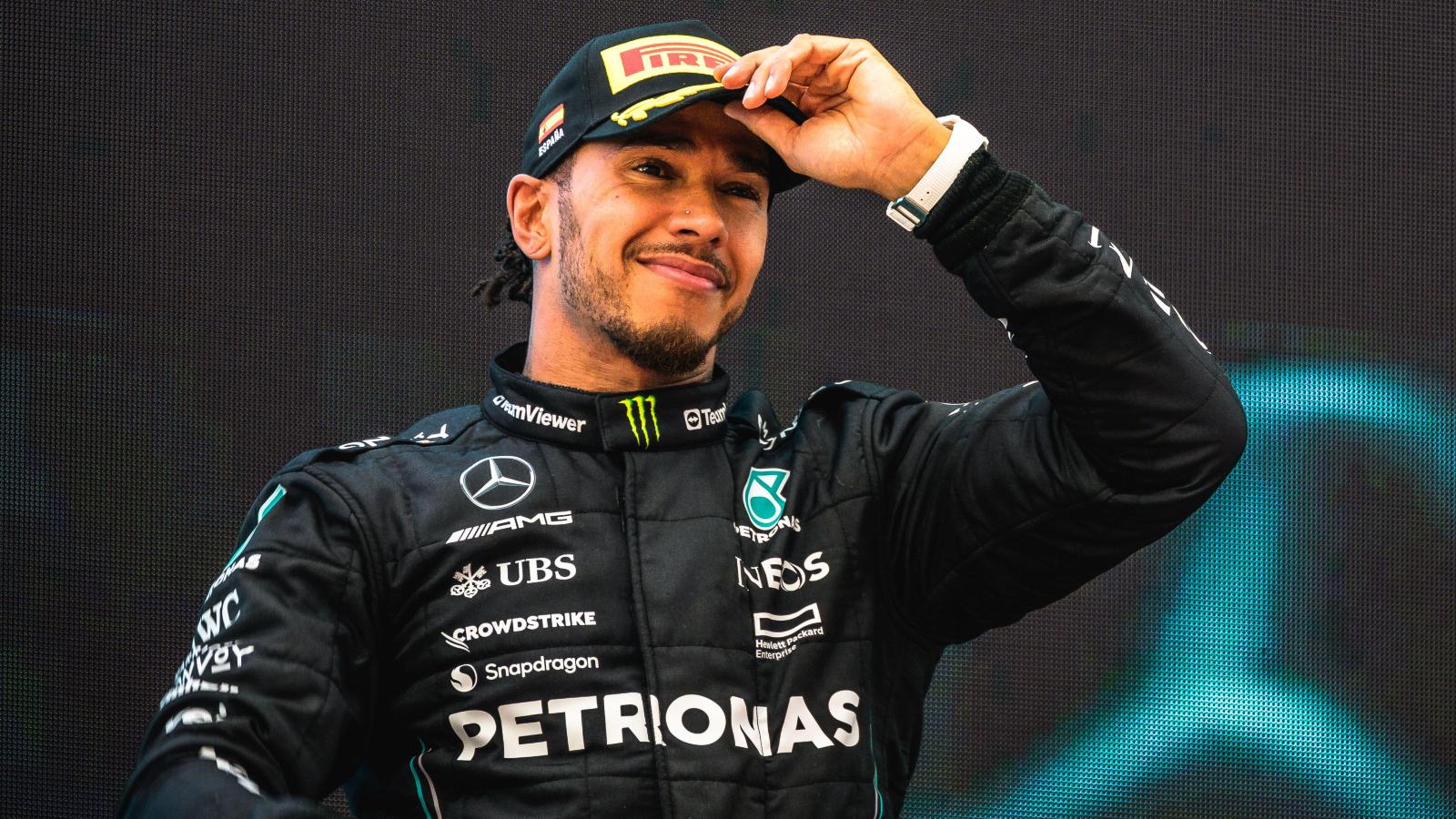
Lewis Hamilton, the name synonymous with Formula 1 dominance, transcends the racetrack. His impact extends far beyond podium finishes and championship titles, permeating the worlds of fashion, business, and philanthropy. As we look ahead to 2025, examining Hamilton’s projected net worth reveals a fascinating picture of not just athletic prowess, but also astute financial management and strategic brand partnerships.
Understanding the composition of his wealth requires diving into various revenue streams. While his contract with Mercedes-AMG Petronas F1 Team forms a significant portion, endorsements, investments, and entrepreneurial ventures contribute substantially. In this analysis, we’ll dissect these components, explore the factors influencing his earning potential, and speculate on future growth opportunities. We'll even touch upon aspects relevant to everyday car owners, such as comparing the cost of maintaining a high-performance vehicle to the expenses associated with more common models, like the need for regular oil changes or addressing service codes.
Formula 1 Earnings: The Driving Force
Hamilton’s salary as a Formula 1 driver constitutes a cornerstone of his wealth. Precise figures are often closely guarded, but industry experts estimate his current contract with Mercedes to be in the tens of millions annually, potentially exceeding $50 million per year including performance-based bonuses. This places him among the highest-paid drivers in the history of the sport.
The sheer complexity of Formula 1 demands specialized skills and cutting-edge technology, justifying the substantial investments teams make in their drivers and cars. Just as a meticulous car service checklist is crucial for maintaining peak performance in a daily driver, so too is the intensive preparation and engineering support surrounding a Formula 1 driver. Consider the contrasting costs: while an oil change for a standard sedan might run between $50 and $150, the bespoke maintenance required for a Formula 1 engine between races can easily reach hundreds of thousands of dollars.
Beyond the Track: Endorsements and Brand Partnerships
Hamilton’s global recognition and charismatic personality make him a highly sought-after brand ambassador. He boasts lucrative endorsement deals with major corporations spanning various industries, from fashion and lifestyle to technology and finance. Companies like Tommy Hilfiger, IWC, Monster Energy, and Puma have partnered with him, recognizing the value of associating their brands with his image of success and sophistication.
These partnerships are strategically chosen to align with Hamilton’s personal values and interests, further enhancing his brand image. His involvement extends beyond mere promotion; he often collaborates on product design and marketing campaigns, actively shaping the narrative around these brands. This hands-on approach resonates with consumers and solidifies the long-term value of these endorsements.
Consider, for example, the marketing strategies employed by luxury car brands who sponsor Formula 1 teams. They leverage the sport's prestige and technological innovation to showcase their high-performance vehicles and advanced engineering capabilities. The association with Formula 1 enhances brand perception and attracts a clientele seeking cutting-edge automotive technology. The EV market trends are also influencing these partnerships, with many brands highlighting their electric vehicle initiatives.
Investment Portfolio and Business Ventures
Beyond his racing career and endorsements, Hamilton demonstrates financial acumen through his diverse investment portfolio. He has invested in a range of ventures, including real estate, technology startups, and entertainment companies. These investments provide a steady stream of income and contribute to the long-term growth of his net worth.
Hamilton’s involvement in these ventures often extends beyond mere financial investment. He actively participates in strategic decision-making and leverages his brand to promote the businesses he supports. This hands-on approach increases the likelihood of success and further solidifies his position as a savvy entrepreneur.
For example, investing in real estate requires careful consideration of market trends, location, and property valuation. Similarly, choosing the right car for investment, like a classic muscle car or a vintage legend undergoing restoration, demands thorough research and understanding of the collector car market. Just as a prospective homeowner carefully assesses the potential for appreciation before purchasing a property, Hamilton strategically analyzes investment opportunities to maximize returns. The same research should go into understanding used car buying tips and avoiding common pitfalls.
The Car Collection: A Glimpse into a Supercar Lifestyle
As a Formula 1 champion, Hamilton naturally has an impressive car collection. These aren't just means of transportation; they are symbols of his success and passion for automotive excellence. Reports indicate that his collection includes rare models and high-performance vehicles, reflecting his discerning taste and appreciation for engineering marvels.
Owning a collection of supercars entails significant expenses, including maintenance, insurance, and storage. The cost of maintaining a Bugatti Veyron or a Ferrari La Ferrari can easily exceed the annual operating costs of several standard vehicles combined. Factors such as specialized parts, qualified technicians, and exotic car insurance contribute to these high expenses.
The decision to purchase and maintain such vehicles is not solely driven by practicality, but also by a desire to own and experience automotive masterpieces. Just as art collectors acquire rare paintings or sculptures, supercar enthusiasts curate their collections to showcase their passion for design, performance, and engineering.
Looking Ahead: Projecting Net Worth in 2025
Predicting someone's net worth is inherently challenging, as it depends on various factors that are difficult to anticipate. However, based on current trends and projections, it is reasonable to expect Hamilton's net worth to continue to grow in the coming years. Factors such as his continued success in Formula 1, lucrative endorsement deals, and strategic investments will likely contribute to this growth.
The evolving EV market trends may also influence his investment decisions and brand partnerships. As electric vehicles become increasingly prevalent, Hamilton may explore opportunities to invest in sustainable transportation technologies or collaborate with brands that are at the forefront of electric vehicle innovation.
Key Considerations for Future Earnings
Several factors could influence Hamilton's earning potential in the years leading up to 2025: Contract Negotiations: The terms of his future contract with Mercedes (or another team) will significantly impact his earnings. Performance, market value, and negotiation skills will all play a role in determining the final figure. Endorsement Opportunities: Continued success and a strong brand image will attract new endorsement opportunities and allow him to renegotiate existing deals for more favorable terms. Investment Performance: The success of his investment portfolio will directly impact his overall net worth. Astute investment decisions and careful management of risk are crucial for maximizing returns. Entrepreneurial Ventures: Launching successful new businesses or expanding existing ventures will generate additional revenue streams and contribute to the growth of his wealth. Tax Implications:Changes in tax laws and regulations could impact his net worth, highlighting the importance of sound financial planning and tax management.
Practical Takeaways for Car Owners
While most drivers won’t be managing millions like Lewis Hamilton, there are still valuable lessons to be learned from his approach to finances and vehicles: Prioritize Maintenance: Just as Hamilton’s team meticulously maintains his Formula 1 car, regular car maintenance is essential for preserving the value and performance of your vehicle. Adhering to the car maintenance schedule and addressing minor issues promptly can prevent costly repairs down the road. Invest in Quality: Whether it’s choosing premium car parts or selecting a reputable auto service provider, investing in quality can save you money in the long run. Cheap parts or substandard workmanship can lead to premature failure and increased repair costs. Shop Around for Insurance: Car accident insurance is a necessity, but premiums can vary significantly between providers. Comparing quotes and considering different coverage options can help you find the best value for your money. Consider Resale Value: When buying a car, factor in its potential resale value. Choosing a popular model with a good reputation for reliability can make it easier to sell the car later and recoup a larger portion of your investment. Drive Safely:Avoiding car accidents is not only crucial for your safety, but also for your financial well-being. Safe driving habits can reduce the risk of accidents, prevent injuries, and minimize insurance costs. Understanding liability in various scenarios is critical.
Conclusion: More Than Just Speed
Lewis Hamilton's financial success is a testament to his talent, dedication, and strategic decision-making. His journey from humble beginnings to becoming one of the wealthiest athletes in the world is an inspiring story of achievement and perseverance. As we look to 2025, it is clear that his impact will continue to extend beyond the racetrack, shaping the worlds of business, fashion, and philanthropy. And just like any responsible car owner ensuring their vehicle is in top condition, understanding the nuances of wealth management is crucial for sustained success. Even simple things like knowing how to properly clean your car, detail it, or remove stains contribute to maintaining its value.