
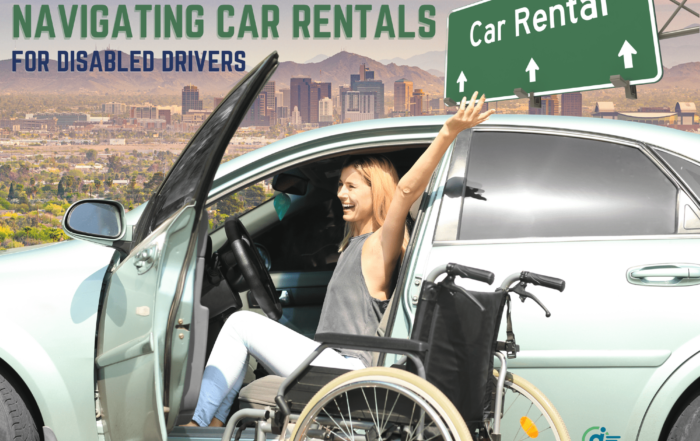
That feeling of the open road, the freedom to go where you want, when you want – it's something many of us take for granted. But for those facing mobility challenges, driving can present significant hurdles. You might feel limited by your current vehicle, unsure where to turn for help, or simply overwhelmed by the options. Know that you're not alone, and that driving independence is absolutely achievable.
This guide will equip you with practical knowledge and resources to navigate the world of accessible mobility. We'll explore adaptive driving solutions, vehicle modifications, and essential tips to make driving safer, more comfortable, and ultimately, more empowering. Whether you're a seasoned driver seeking to maintain your independence or just beginning to explore your options, this information is designed to help you take control of your journey.
One often overlooked but crucial tip is to get a professional driving evaluation from a certified driver rehabilitation specialist (CDRS). They can assess your current driving skills, identify areas where adaptive equipment could help, and provide personalized recommendations tailored to your specific needs and abilities. This evaluation is the first step toward creating a driving plan that maximizes your safety and independence.
Understanding Your Adaptive Driving Options
Adaptive driving isn't a one-size-fits-all solution. It encompasses a wide array of modifications and equipment designed to address a diverse range of needs. From simple additions like pedal extensions and hand controls to more complex adaptations like wheelchair-accessible vans and electronic steering systems, the possibilities are vast. Understanding the available options is the first step toward finding the right fit for you. Let's explore some of the most common categories: Hand Controls:These allow drivers to operate the accelerator and brake using their hands instead of their feet. Several types exist, including push-pull, push-rock, and electronic controls, each catering to different levels of hand strength and dexterity.
Steering Modifications: Reduced-effort steering systems, spinner knobs, and electronic steering can make maneuvering easier for drivers with limited upper body strength or range of motion.
Pedal Extensions: These bring the pedals closer to the driver, allowing for comfortable and safe operation for individuals with shorter legs.
Seat Modifications: Swivel seats, transfer seats, and adjustable seat bases can facilitate easier entry and exit from the vehicle.
Wheelchair-Accessible Vans: These vans are specifically designed to accommodate wheelchairs, featuring ramps or lifts, and ample interior space for comfortable maneuvering.
Secondary Control Adaptations: Extended turn signal levers, remote keypads for operating lights and windshield wipers, and other adaptations can simplify the use of secondary vehicle controls.
Choosing the right adaptive equipment depends on a thorough assessment of your individual needs, abilities, and the type of vehicle you plan to drive. Consulting with a qualified driving rehabilitation specialist and an experienced mobility equipment dealer is crucial to ensure a safe and effective solution.
What’s the average cost for vehicle modifications?
The cost of vehicle modifications can vary widely depending on the complexity of the adaptation and the vehicle itself. Simple modifications like pedal extensions or spinner knobs can cost a few hundred dollars, while more complex adaptations like hand controls or wheelchair lifts can range from several thousand to tens of thousands of dollars. Wheelchair-accessible vans are the most expensive option, typically costing $30,000 or more, depending on the level of customization. It's important to get quotes from multiple reputable mobility equipment dealers and explore funding options such as grants, loans, and charitable organizations to help offset the cost.
Navigating the Process: From Evaluation to Installation
The journey towards driving independence involves several key steps. It's not just about installing equipment; it's about ensuring that the adaptations are properly fitted, that you're comfortable and confident using them, and that you're driving safely. Here’s a general outline of the process:
1.Driving Evaluation: As mentioned earlier, a comprehensive evaluation by a CDRS is essential. This assessment will identify your specific needs and recommend the most appropriate adaptive equipment.
2.Equipment Selection: Based on the evaluation, work with your CDRS and a reputable mobility equipment dealer to choose the right adaptations for your vehicle. Consider factors such as your budget, driving style, and long-term mobility needs.
3.Installation: Ensure that the equipment is installed by certified technicians who are experienced in working with adaptive driving solutions. Proper installation is crucial for safety and reliability.
4.Training: Once the equipment is installed, receive thorough training from your CDRS on how to use it safely and effectively. This training should include practice in a variety of driving conditions.
5.Licensing: In some cases, you may need to undergo a driving test with the adapted equipment to ensure that you meet the requirements for a restricted license. Check with your local Department of Motor Vehicles (DMV) for specific regulations.
6.Ongoing Support: Establish a relationship with your mobility equipment dealer and CDRS for ongoing support and maintenance. Adaptive equipment may require periodic adjustments or repairs.
Remember, patience and persistence are key throughout this process. It may take time to find the right adaptations and become comfortable using them. But with the right support and guidance, you can achieve your goal of driving independence.
How do I find a Certified Driver Rehabilitation Specialist (CDRS)?
Finding a qualified CDRS is essential for a successful adaptive driving experience. The Association for Driver Rehabilitation Specialists (ADED) is a valuable resource for locating certified professionals in your area. You can visit their website (driverrehab.org) and use their online directory to search for CDRSs by location. In addition to ADED, your local hospital, rehabilitation center, or occupational therapy clinic may also have CDRSs on staff or be able to provide referrals. When choosing a CDRS, be sure to inquire about their experience, qualifications, and the types of adaptive equipment they are familiar with.
Funding and Resources for Accessible Mobility
The cost of adaptive driving equipment and vehicle modifications can be a significant barrier for many individuals. Fortunately, there are various funding and resource options available to help offset these expenses. Exploring these options can make driving independence more accessible and affordable. Here are some potential sources of funding: Grants:Several organizations offer grants specifically for adaptive driving equipment. These grants may be need-based or targeted towards individuals with specific disabilities. Examples include the U.S. Department of Veterans Affairs, state-level assistive technology programs, and private foundations.
Loans: Low-interest loans may be available through banks, credit unions, or non-profit organizations. These loans can help you finance the purchase of adaptive equipment or a wheelchair-accessible van.
Vocational Rehabilitation Programs: State vocational rehabilitation agencies provide services to individuals with disabilities to help them prepare for, secure, and maintain employment. These services may include funding for adaptive driving equipment if it is necessary for employment.
Charitable Organizations: Many charitable organizations, such as the ALS Association, the Muscular Dystrophy Association, and the National Multiple Sclerosis Society, offer financial assistance to individuals with specific disabilities.
Government Programs: Depending on your location and circumstances, you may be eligible for government programs that provide funding for accessible transportation.
Insurance: In some cases, your auto insurance policy may cover the cost of certain adaptive equipment, particularly if it is required as a result of an accident.
In addition to financial assistance, numerous organizations offer informational resources and support for individuals with disabilities who are seeking to drive. These resources can help you navigate the process of selecting adaptive equipment, finding qualified professionals, and advocating for your rights.
What kind of support can I expect from a mobility equipment dealer?
A reputable mobility equipment dealer should offer comprehensive support throughout your adaptive driving journey. This includes assisting you in selecting the right equipment based on your individual needs and the recommendations of your CDRS. They should provide expert installation services, ensuring that the equipment is properly fitted and functioning safely. A good dealer will also offer training on how to use the equipment effectively and answer any questions you may have. Furthermore, they should provide ongoing maintenance and repair services to keep your adaptive equipment in optimal condition. Look for dealers who are certified by the National Mobility Equipment Dealers Association (NMEDA) and who have a proven track record of providing excellent customer service.
Maintaining Your Vehicle and Adaptive Equipment
Once you've invested in adaptive driving equipment, it's essential to maintain it properly to ensure its longevity, safety, and effectiveness. Regular maintenance can prevent costly repairs and ensure that your equipment continues to function as intended. Here are some tips for maintaining your vehicle and adaptive equipment: Follow the Manufacturer's Recommendations:Adhere to the manufacturer's recommended maintenance schedule for both your vehicle and your adaptive equipment. This may include regular inspections, lubrication, and cleaning.
Keep Your Vehicle Clean: Regularly wash and vacuum your vehicle to prevent dirt and debris from accumulating around the adaptive equipment. This can help to prevent malfunctions and prolong the life of the equipment.
Inspect Your Equipment Regularly: Visually inspect your adaptive equipment regularly for any signs of wear and tear, such as loose connections, frayed cables, or damaged components. Address any issues promptly to prevent them from escalating.
Lubricate Moving Parts: Lubricate moving parts, such as joints and hinges, with a silicone-based lubricant to keep them functioning smoothly.
Check Battery Connections: Ensure that battery connections are clean and secure, especially for electrically powered adaptive equipment.
Have Your Equipment Professionally Serviced: Schedule regular professional servicing for your adaptive equipment. This will allow qualified technicians to identify and address any potential problems before they become major issues.
Store Your Vehicle Properly: If you live in an area with harsh weather conditions, store your vehicle in a garage or carport to protect it from the elements.
By following these maintenance tips, you can help to ensure that your vehicle and adaptive equipment remain in good working order for years to come, maximizing your driving independence and safety.
Taking that first step toward driving independence can feel daunting, but you possess the strength and resilience to navigate this journey successfully. By understanding your options, seeking professional guidance, and exploring available resources, you can overcome mobility challenges and regain the freedom and control that driving offers. Remember to celebrate each milestone, no matter how small, and to embrace the possibilities that lie ahead. The open road awaits, and you have the power to claim it.