
Finding the right vehicle when you have mobility challenges can feel overwhelming. You’re not just looking for transportation; you’re searching for freedom, independence, and a comfortable, safe way to navigate the world. The good news is that automotive technology is constantly evolving, and electric vehicles (EVs) are becoming an increasingly viable option for drivers with disabilities.
Exploring the world of electric accessible vehicles can unlock a new level of driving independence. By understanding the advantages and potential challenges these vehicles present, you can make an informed decision that aligns with your specific needs and enhances your overall driving experience. This guide will help you navigate the key considerations, empowering you to choose the best path forward.
Pro Tip: Before making any decisions, schedule a consultation with a certified mobility equipment dealer. They can assess your individual needs and recommend specific vehicle modifications and adaptive driving solutions that will work best for you.
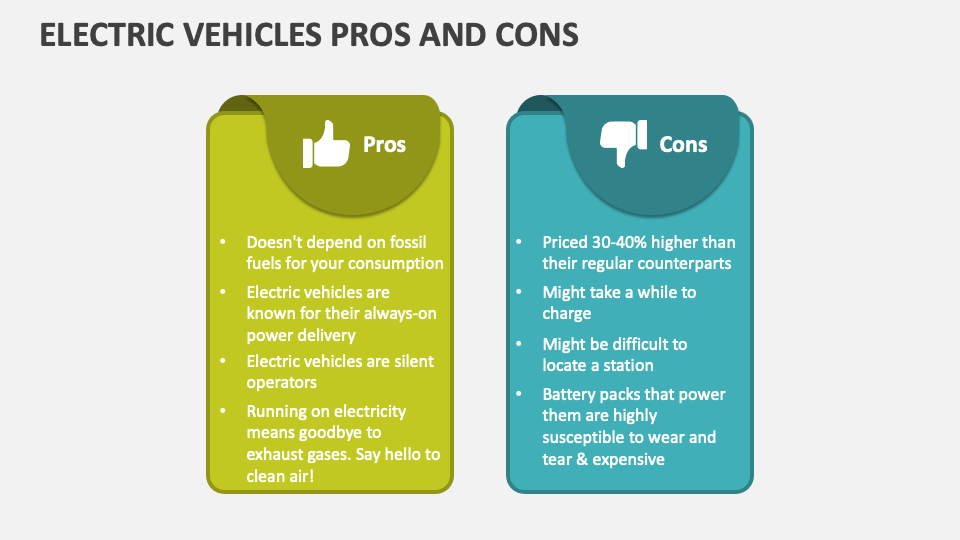
The Allure of Electric: Pros of Accessible EVs
Electric vehicles offer a range of benefits that can be particularly appealing for drivers with disabilities. Let’s dive into some of the most compelling advantages:
Smooth and Quiet Operation
One of the standout features of EVs is their incredibly smooth and quiet operation. The absence of a traditional combustion engine translates to significantly reduced noise and vibration. This can be a game-changer for drivers who experience discomfort or fatigue due to these factors. Imagine a commute free from the constant rumble and jarring motions, allowing you to focus on the road and arrive at your destination feeling refreshed. This also creates a more peaceful environment for passengers, which can be especially beneficial for those with sensory sensitivities.
Environmental Friendliness
For many, the environmental aspect of electric vehicles is a major draw. EVs produce zero tailpipe emissions, contributing to cleaner air and a reduced carbon footprint. Choosing an electric accessible vehicle allows you to embrace a more sustainable lifestyle while enjoying greater driving independence. It’s a win-win! Plus, many governments offer incentives and rebates for EV purchases, making them even more attractive.
Potential for Customization and Integration
Electric vehicles are often designed with advanced technology and connectivity in mind, which can open doors for greater customization and integration with adaptive driving solutions. The digital interfaces and electronic controls found in EVs can be more easily adapted to accommodate various accessibility needs. For instance, integrating specialized controls for acceleration and braking, or customizing the infotainment system for easier navigation, may be more seamless in an EV compared to a traditional gasoline-powered vehicle. The lower floor and open cabin designs of some EVs can also simplify wheelchair-accessible van conversions.
Reduced Maintenance
Electric vehicles generally require less maintenance than gasoline-powered cars. With fewer moving parts, there are no oil changes, spark plugs, or exhaust systems to worry about. This can translate to significant cost savings and reduced hassle over the lifespan of the vehicle. For individuals with disabilities, the reduced maintenance burden can be particularly valuable, freeing up time and energy for other priorities. Regular tire rotations, brake checks, and occasional battery maintenance are typically the extent of the required upkeep.
Regenerative Braking
Regenerative braking is a feature unique to electric vehicles that can significantly enhance the driving experience, especially for those with limited mobility. This system captures energy during deceleration and uses it to recharge the battery. This not only extends the vehicle's range but also reduces wear and tear on the brakes, minimizing the need for replacements. More importantly, regenerative braking can allow for more precise and controlled deceleration, which is particularly helpful for drivers who may have difficulty with the quick and forceful braking required in some situations.
Potential Roadblocks: Cons of Accessible EVs
While electric accessible vehicles offer many advantages, it’s crucial to consider the potential drawbacks before making a decision. Being aware of these challenges will allow you to proactively address them and ensure a smooth transition to EV ownership.
Higher Initial Cost
Electric vehicles typically have a higher initial purchase price compared to their gasoline-powered counterparts. This can be a significant barrier for some individuals, especially when combined with the cost of adaptive driving solutions and mobility car adaptations. However, it's important to factor in the long-term cost savings associated with reduced fuel consumption and maintenance. Additionally, government incentives and tax credits can help offset the initial investment. Explore all available financial assistance programs in your area to determine the true cost of ownership.
Limited Range and Charging Infrastructure
The range of electric vehicles can be a concern for some drivers, especially those who frequently travel long distances. While EV range has steadily improved in recent years, it's still typically less than that of gasoline-powered vehicles. Range anxiety, or the fear of running out of battery power, can be a real issue for some. Furthermore, the availability of charging infrastructure is still uneven across different regions. It's essential to carefully consider your driving habits and access to charging stations before committing to an EV. Plan your routes in advance and utilize charging apps to locate available charging stations along the way.
Accessibility of Charging Stations
Even if charging stations are readily available, their accessibility for individuals with disabilities can be a challenge. Some charging stations may lack proper ramps, accessible parking spaces, or adequate space to maneuver a wheelchair. The charging cables themselves can also be heavy and difficult to handle. Efforts are underway to improve the accessibility of charging infrastructure, but it's crucial to assess the accessibility of charging stations in your area before relying on them. Consider purchasing a home charger to eliminate the need to rely solely on public charging stations.
Conversion Limitations
While some electric vehicles are well-suited for wheelchair-accessible van conversions, others may present limitations due to their design or battery placement. It's crucial to work with a qualified mobility equipment dealer who has experience converting electric vehicles to ensure that the conversion is done safely and effectively. The dealer can assess the vehicle's suitability for conversion and recommend appropriate modifications to meet your specific needs. Be sure to inquire about any potential limitations or challenges associated with converting a particular EV model.
Battery Life and Replacement Costs
While electric vehicle batteries are designed to last for many years, they will eventually degrade over time and require replacement. The cost of replacing an EV battery can be significant, although prices are expected to decline as technology advances. It's essential to factor in the potential cost of battery replacement when considering the long-term cost of ownership. Many EV manufacturers offer warranties on their batteries, providing some peace of mind. Inquire about the battery warranty and its coverage terms before making a purchase.
Specialized Repairs
Because electric vehicles have different mechanical systems than gas cars, finding a repair shop experienced and certified to work on EVs may be more difficult, particularly in less populated areas. This may mean longer wait times or having to travel farther for repairs, especially for the unique systems integrated with adaptive driving equipment.
Addressing Common Concerns: Helpful Tips
Here are some answers to common questions about electric accessible vehicles to assist in your decision-making process:
What’s the best vehicle for wheelchair users?
The "best" vehicle truly depends on your individual needs, the type of wheelchair you use, and the level of modification required. Consult with mobility experts who can recommend specific models known for their spacious interiors and suitability for wheelchair-accessible conversions. Consider vehicles with higher rooflines and wider door openings to facilitate easier entry and maneuverability. It's also crucial to assess the vehicle's floor height and ramp angle to ensure a comfortable and safe transfer.
How do I apply for adaptive driving lessons?
Adaptive driving lessons are essential for learning how to operate a vehicle with adaptive equipment safely and effectively. Contact your local Department of Motor Vehicles (DMV) or search online for certified driving rehabilitation specialists in your area. These specialists can assess your driving abilities and provide tailored instruction on using adaptive controls. Many organizations also offer financial assistance to help cover the cost of adaptive driving lessons.
What financial assistance is available for accessible vehicle modifications?
Numerous grants, loans, and rebates are available to help individuals with disabilities finance accessible vehicle modifications. Explore programs offered by government agencies, non-profit organizations, and disability advocacy groups. The specific programs available will vary depending on your location. Consult with a mobility equipment dealer or financial advisor to identify the most suitable options for your situation.
Choosing the right accessible vehicle is a deeply personal decision, and embracing an electric option can bring incredible benefits. By carefully weighing the pros and cons, considering your individual needs, and seeking expert guidance, you can make an informed choice that empowers you to embrace the open road with confidence. Remember, driving is about more than just getting from point A to point B; it’s about freedom, independence, and living life to the fullest.